
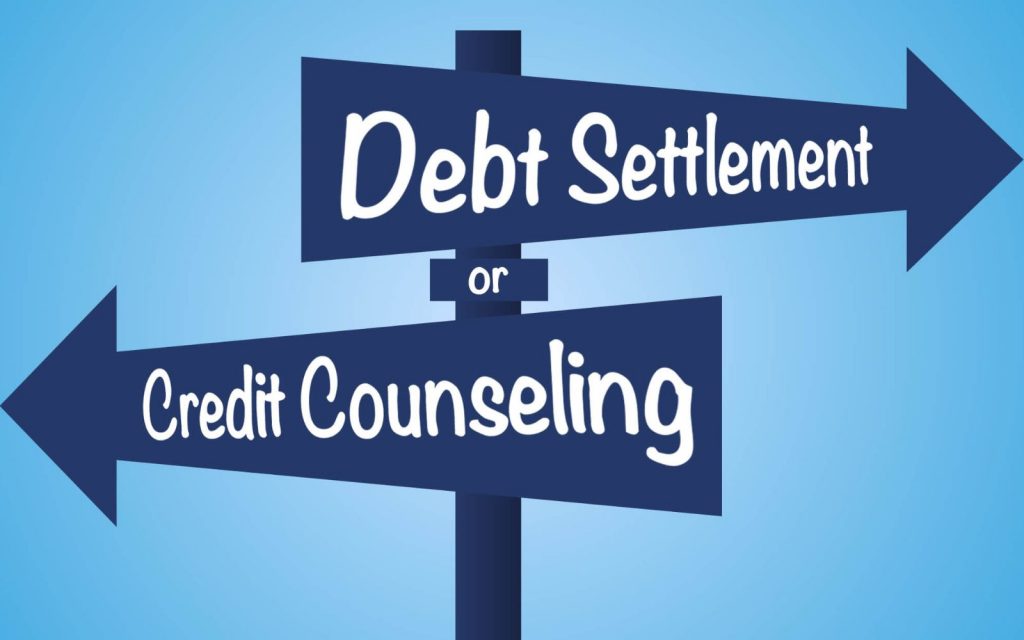
Living in New York City makes handling money tough. High prices tag along everywhere. Groceries, rent across all five boroughs, and city life add up fast. In 2026, the average rent for a one-bedroom in New York has reached approximately $4,034, while Manhattan units often exceed $5,200. Before anyone notices, bills pile higher than downtown towers. When weight grows heavy, people hear about Debt settlement or fixing credit. One wipes out what you owe by negotiating less; the other corrects errors. They work in opposite ways. Picking correctly depends on knowing which problem runs deeper. Confusing them delays progress toward breathing easier. Taking a bad turn might cost cash or hurt how banks see you. Settling debt targets what is owed, cutting the number hanging over your head. Fixing credit checks if past info is correct, clearing up records that shape your rating. One works when bills feel too heavy, another when your record feels unfair. New York ties doors from housing to work to that three-digit mark. Landlords now commonly look for a 700 score to bypass the need for a guarantor or higher security deposits. Picking wisely decides motion or standstill.
Understanding Debt Settlement
When money gets tight, some turn to debt settlement. Usually it involves folks overwhelmed by unsecured debts like medical bills or credit cards. A single upfront check, smaller than the sum due, might clear the whole thing. Creditors sometimes agree because getting part beats getting nothing. They close the account after taking less. It helps when options run thin and overdue notices keep arriving. For those drowning in fees, it brings a way out. Still, settlement comes at a price. Skipping payments to prove hardship shows lenders you are struggling. That move drags down your credit fast. Instead of vanishing clean, the account appears as partially paid, which looks worse than closing it fully. When calls will not stop, cutting what you owe feels like breathing room despite the hit later. Some New Yorkers choose peace now over stronger scores later.
The Way Credit Repair Works
Fixing credit means looking closely at reports to spot mistakes. Law requires these records stay correct and backed by proof. One might check files from the big three reporting companies. Errors include wrong late flags despite paying on schedule or accounts that are not yours. Even outdated debts linger past their legal shelf life. Clearing those out is part of the cleanup. For those who can cover debts but struggle with weak scores due to data errors, this path makes sense. Landlords often pick tenants fast; small mistakes might cost you an apartment. What gets fixed is not the amount owed, just how behavior shows up. If everything listed is true yet your balance is heavy, adjusting reports will not shift much.
Key Differences
One tweaks what you owe while the other corrects how it is shown. Settlement talks down the amount by betting on risk. Lenders agree because getting something beats nothing. Credit repair questions if bad marks should even be there, using national rules to push back. People turn to settling just shy of bankruptcy. Fixing reports happens earlier, like tuning an engine so loans come easier. Score impacts differ. If talks start after payments stop, expect a quick drop. Fixing errors works backward as cleaner reports lift numbers. Also, erased debt might count as taxable income to the IRS. Half the bill wiped out? You could face taxes on that difference. Credit repair does not come with that surprise.
When New Yorkers Consider Settlement
Living paycheck to paycheck makes settlement a fit when interest keeps lifting what you owe. People picking rent over creditor demands often find it makes sense. Once accounts land with collectors, the hit to your score probably already happened. Settling means shutting that chapter, stepping past legal threats, and avoiding wage grabs. This is vital where every dollar counts just to stay housed.
When New Yorkers Need Credit Repair
When changes loom like securing a home, stronger credit helps. Should old marks appear that do not belong, fixing them is allowed. Outdated notes vanishing too late is where corrections matter. Finishing payment deals leaves traces; someone must check those records reflect the truth. Clearing what was owed means little unless updates reach the right offices. Progress begins only when facts line up across reports from Equifax, Experian, and TransUnion.
Navigating NYC Financial Rules
New Yorkers get solid safeguards. Rules from the New York Fair Debt Collection Practices Act control what collectors can do. Pay attention to how long debts stay enforceable; that window recently shrank to three years for most personal loans. When a bill passes that age, courts might block lawsuits, shifting power to you when talking numbers. Effective April 18, 2026, New York State law also expands bans on most employer credit checks, meaning your history will no longer block you from most jobs, ensuring past financial struggles do not hinder your career growth in the city.
Making the Final Choice
Looking at your wallet shapes your choice. When debts will not vanish within three years, cutting a deal might be the only path. Should your load sit under control but your rating drags, fixing your report is smarter. Many find relief by doing both: clearing crushing balances first to breathe, then rebuilding trust on paper. New York is a city of second chances, but you must reach out and claim yours by selecting the strategy that addresses your specific burden. Skipping the issue will not help. Money troubles in a city that never slows down do not fade. Left alone, they cost more. Grabbing hold of what you owe or how you track it is more than damage control. It is creating space to thrive and ensuring your future in the five boroughs remains bright and free from past financial mistakes. Contact Us.